
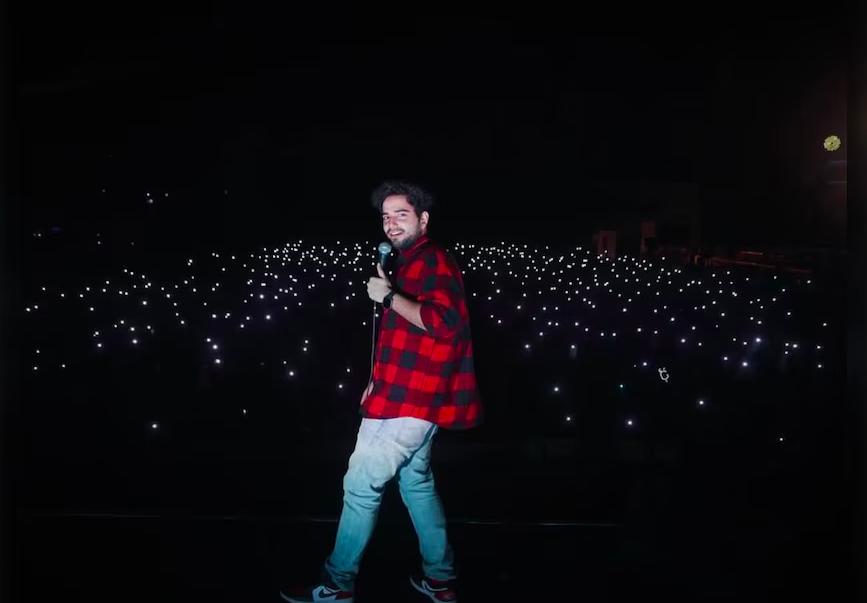
As stand-up comedy gains traction across digital platforms, questions about age-appropriate content have intensified. Samay Raina, known for his witty and sometimes edgy humor, recently addressed the debate in a candid interview. “If kids are watching my content, it’s not the comedian’s fault—it’s the parents’ responsibility,” Raina stated. “Platforms do have age restrictions, but enforcement at home is essential.”
Raina’s comments reflect a broader issue in the entertainment industry: the balance between creative freedom and social responsibility. With a subscriber base surpassing a million across YouTube and streaming platforms, Raina acknowledges the diverse demographic of his audience. However, he maintains that content creators alone cannot bear the burden of gatekeeping.
The Comedy-Content Dilemma for Families
While stand-up acts are typically intended for mature audiences, digital accessibility poses new challenges for families. Material that includes adult language, satire, and cultural commentary can reach children as young as eight or nine. Industry analysts note that algorithms, autoplay features, and inadequate parental controls on streaming services contribute to this exposure.
“Platforms like YouTube and OTT apps provide tools for parental control, but adoption among Indian households remains low,” says media analyst Rhea Choudhury. “Without active monitoring, it’s easy for underage viewers to access unsuitable content.”
According to a 2023 Kantar survey, nearly 40% of urban Indian children aged 10–15 regularly access online video content unsupervised—an increase of 11% compared to 2021.
Multiple Perspectives on Audience Responsibility
Comedians: A Case for Artistic Liberty
Many Indian comedians, including Raina, argue for creative autonomy. “Comedy holds up a mirror to society. If we have to self-censor for all audiences, the art suffers,” Raina explained. Several peer comedians echoed this sentiment, emphasizing that while they can flag their content as adult, real-time enforcement must happen at home.
Parents and Child Psychologists: Emphasizing Guidance
Parents’ groups and child psychologists, however, spotlight the potential impacts of mature content—from inappropriate language adoption to misunderstandings of cultural or political satire. “Younger children often cannot differentiate between humor and reality, or understand satire,” says Dr. Poonam Tanwar, a developmental psychologist. “Active involvement and clear communication about media consumption are vital.”
Digital Platforms and Content Regulation
Streaming platforms and social media sites are under mounting pressure to strengthen age-verification measures. YouTube, for example, has rolled out more robust age-gating tools and content warnings, but enforcement is patchy, especially where children use family accounts.
“Technology can only do so much. It’s a partnership between platforms and parents,” says Rajeev Sharma, head of compliance at a leading OTT company. “We urge parents to set up profiles for children and use platform tools actively.”
Balancing Entertainment and Responsibility
Balancing creative expression with responsible parenting is an evolving challenge in the digital age. As Samay Raina emphasized, “My job is to entertain responsibly, but the internet is vast. Parents have to decide and educate what’s right for their kids.”
In response to public discourse, Raina has started adding visible disclaimers to both live and streamed performances, reminding audiences about mature themes. He continues to encourage viewers to engage in open conversations at home about stand-up comedy and its purpose.