
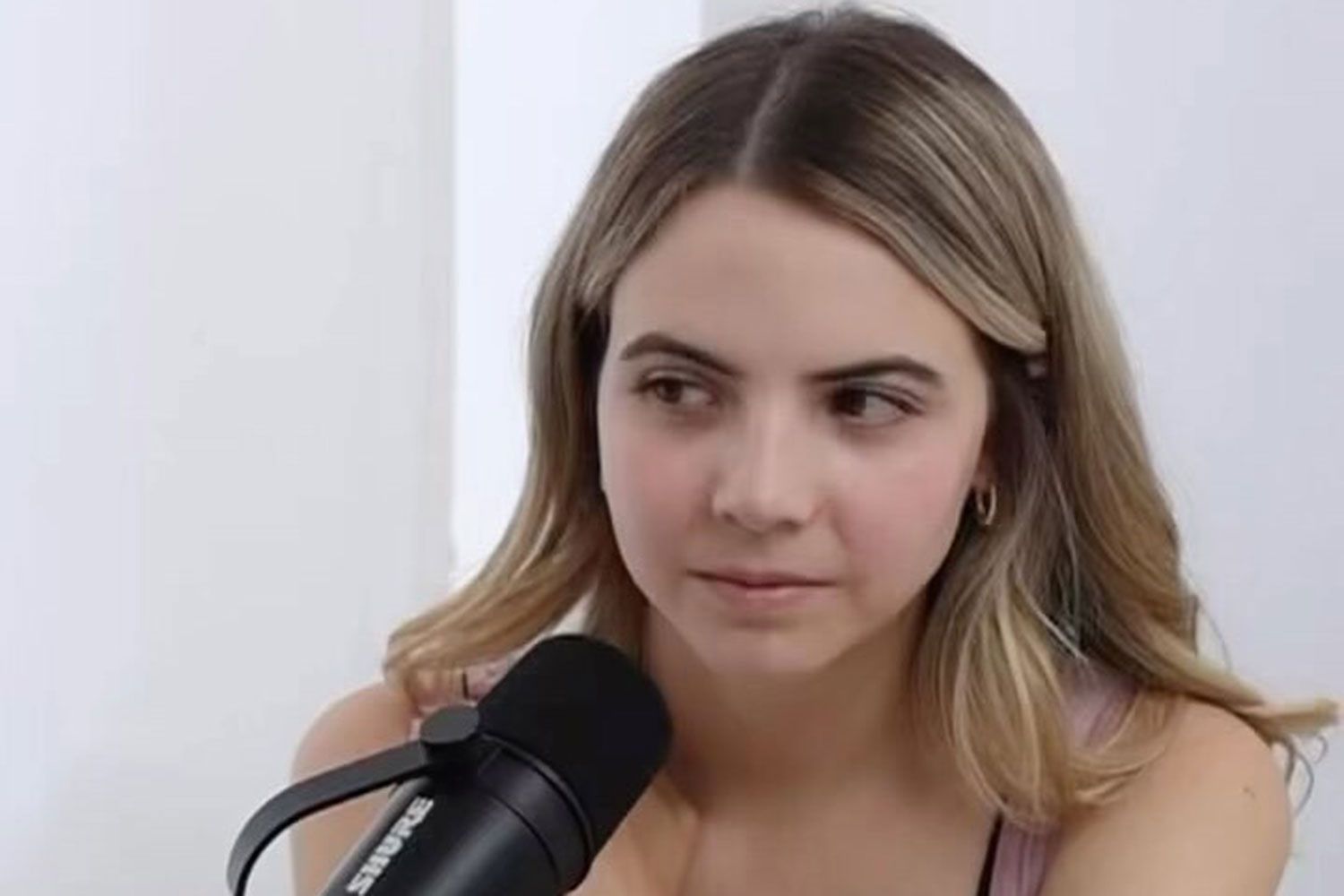
In this age of digital influence, creators have unprecedented reach, opportunities, and financial success. However, behind the curated posts, edited videos, and viral interviews, a mental health crisis grows in this niche-driven by constant audience scrutiny, algorithmic pressure, and unrelenting demand to stay relevant. One of the most powerful public moments that illustrate this is the recent emotional breakdown of Bobbi Althoff, which she shared openly with her followers.
Bobbi Althoff is a 28-year-old creator known for her deadpan interview style and high-profile collaborations. On November 23, she put up a tearful TikTok video, speaking candidly about the “hate comments” she received after posting a personal video featuring her boyfriend. What was supposed to be a lighthearted slice of her relationship quickly escalated into a flood of negativity and criticism-pushing her to confront the darker side of internet fame.
Still visibly shaken, Althoff described in her video the entitlement of thousands of strangers to attack her personality, her appearance, and her life choices. For a great many creators, this kind of digital pile-on has become disturbingly common; however, seeing a well-known figure like Althoff break down really underlined the human cost that was so often glossed over by audiences consuming creator content daily.
One of the main points Althoff made was the double standard she experiences in contrast to that of her ex-husband. She explained that when her ex shares personal updates or content about his romantic life, the internet mostly responds with positivity or indifference. However, when she does, the reaction swings toward hostility. This is a symptom of a larger issue evident throughout social media, where women, especially those who are young and successful, are treated with much harsher judgment, deeper scrutiny, and more personal critique.
The attacks didn’t end with comments about her relationship. Althoff also spoke about some health challenges she’s faced because of former cosmetic procedures-including chronic migraines and temporary facial immobility from fillers and Botox. Instead of sympathy, she more often gets comments making fun of her appearance or questioning choices she’s made. Her admission shows how creators feel pressured not only to look perfect but to explain and defend their appearance to an audience that feels entitled to weigh in.
This vulnerability – speaking publicly about pain, insecurity, or fear – is a double-edged sword in the world of influencers. On one hand, authenticity pays off big time. Audiences crave real stories and connect more deeply with creators who appear to be transparent. On the other hand, sharing emotional struggles opens up more avenues for criticism, giving trolls added ammunition.
Industry experts have warned about the mental-health strain the creator economy imposes for a long time. With constant pressure to perform, creators face burnout at rates far higher than those of traditional professionals. Comments can turn toxic within minutes, and the line between public and private life becomes ever more blurred. Creators such as Althoff, who built her brand upon personality-driven content, are under magnified pressure: every reaction, every word, every post is part of the public conversation.
What really makes Althoff’s moment resonate, though, is its relatability among creators of any size. Micro-influencers know these pressures on a smaller scale: keeping engagement up, avoiding controversy, delivering for brands, and handling trolls. Many creators say they cannot take breaks from posting for fear of algorithmic penalties or follower drop-off. This creates a cycle in which personal wellbeing takes a back seat to performance metrics.
Another issue that Althoff’s breakdown points to is that of parasocial relationships, where followers feel an emotional connection to creators, believing they understand their intentions or motives, which can quickly turn into entitlement-the belief that they deserve explanations, access, or control over a creator’s choices. Backlash ensues when creators don’t meet those expectations. Yet, in the midst of negativity, Althoff’s vulnerability seemed to spur immense empathy, too. Many followers praised her candor; she and the broader community of creators were reminded that vulnerability is not a weakness but an essential counterweight to social media’s perfectly manicured world.
Her video has reignited conversations about mental-health resources for creators, platform responsibility, and the need for healthier digital boundaries. This creator economy is here to stay, but the emotional toll it exacts has grown increasingly impossible to ignore. That candid moment by Bobbi Althoff-one of many creators-reminds us that behind every screen is a human navigating through pressure, insecurity, and expectations. As audiences and brands and platforms evolve, compassion must evolve too.